
What goes around
Flipping the script

While I usually ponder the wisdom I’ve learned from my dog’s sheepherding lessons and apply them to my writing and daily living, the other day, I applied something I already knew from my writing experience to my dog’s training.
Kind of one of those light bulb moments when you know there are only so many lessons in the world before they start repeating themselves.
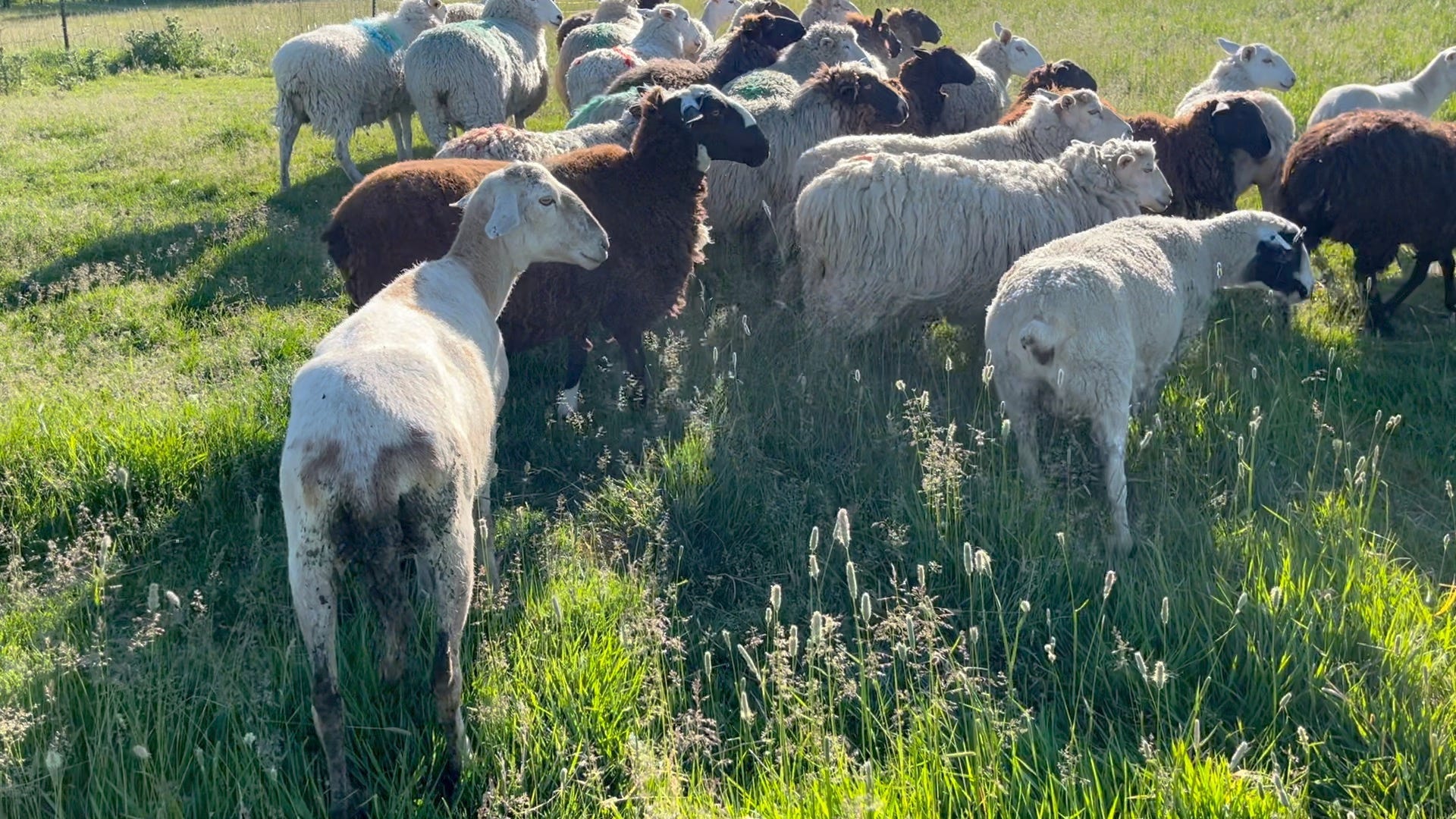
I was ending Max’s lesson with a send alongside the creek for a short gather. Max, for whatever reason (probably having to do with the fact that he hates thistles that have grown to be well over his head and are standing in his way) was hesitating to finish the task. I’m standing on the bank knowing that he’d done the same pattern a hundred times. But he just wouldn’t do it.
“Go on,” I yell, getting increasingly agitated. I shake my stick. “Go on Max, away to me, hey, no, go on.” He keeps looking back at me and I can see the confusion. But I’m getting frustrated and it’s coming out in my voice. I command. “Go on!” Then I beg, “that’ll do, away, go on.” He licks his lips, starts to move, stops again, confused.
Eventually, the sheep got tired of the inaction, gathered themselves and moved off. Job done, but not done well.
My mentor, watching the debacle began the breakdown of the exercise with her usual, what I perceive as, disappointment. So much time and effort into my education and I’m still thick as a post.
“The problem is you.” (If I had a dollar for every time I’ve heard that.) “Go help him. You’re telling him. Show him what you want.”
Bingo! Show, don’t tell.
It’s the most common advice given to new writers at every writers’ conference I’ve ever been to—“show don’t tell.” It’s also advice that doesn’t easily sink in for some of us. What is it about the most logical advice that seems to be the hardest to follow?
How many times I’ve sat at the computer writing a scene that I think is a brilliant idea. It moves the plot and character development. It’s different. It’s funny. It’s emotional. But it’s all telling.
My interpretation of the advice is simple. Take the reader into the action. Set them alongside the protagonist. Have them take a hold of the hero’s arm and follow, step by step. Feel the heartbeat. Experience the breeze. Put your toes in the stream and feel the cold.
And so it goes to the next step. Taking the advice and putting it into your own life. How many times do we go through the day telling our story, telling our opinions, telling our moral outrage when what we could be doing is getting involved. Stepping into the story. Yes, it’s harder and yes, it’s more dangerous. As they say, “talk is cheap.”
It’s the same in dog training, as it is in writing a story, as it is in living a life.
Experience the story, don’t just tell it.
Great example and great thoughts, LuAnn.